The Next Step in Python: Testing with pytest
2025-05-05


Python Testing with pytest
Making your code more reliable in 1 hour
Workshop Agenda
- Introduction to Testing (10 min)
- Why test?
- Types of tests
- Testing terminology
- Getting Started with pytest (15 min)
- Basic structure
- Running tests
- Understanding results
- Writing Effective Tests (15 min)
- Test design patterns
- Parameterization
- Test-Driven Development (15 min)
- Red-Green-Refactor cycle
- TDD in practice
- Benefits & challenges
- Q&A and Wrap-up (5 min)
Introduction to Testing
Why Test Your Code?
- Find bugs early — Before your users do
- Refactor with confidence — Change code without fear
- Documentation — Tests show how code should work
- Design improvement — Testing forces better architecture
- Professional practice — Industry standard skill
Test Early, Test Often
“Code without tests is broken by design.” — Jacob Kaplan-Moss
Poll Question
How much experience do you have with testing Python code?
A. None - I’m completely new to testing
B. Minimal - I’ve written a few basic tests
C. Moderate - I use pytest occasionally
D. Experienced - I practice TDD regularly
Testing Pyramid
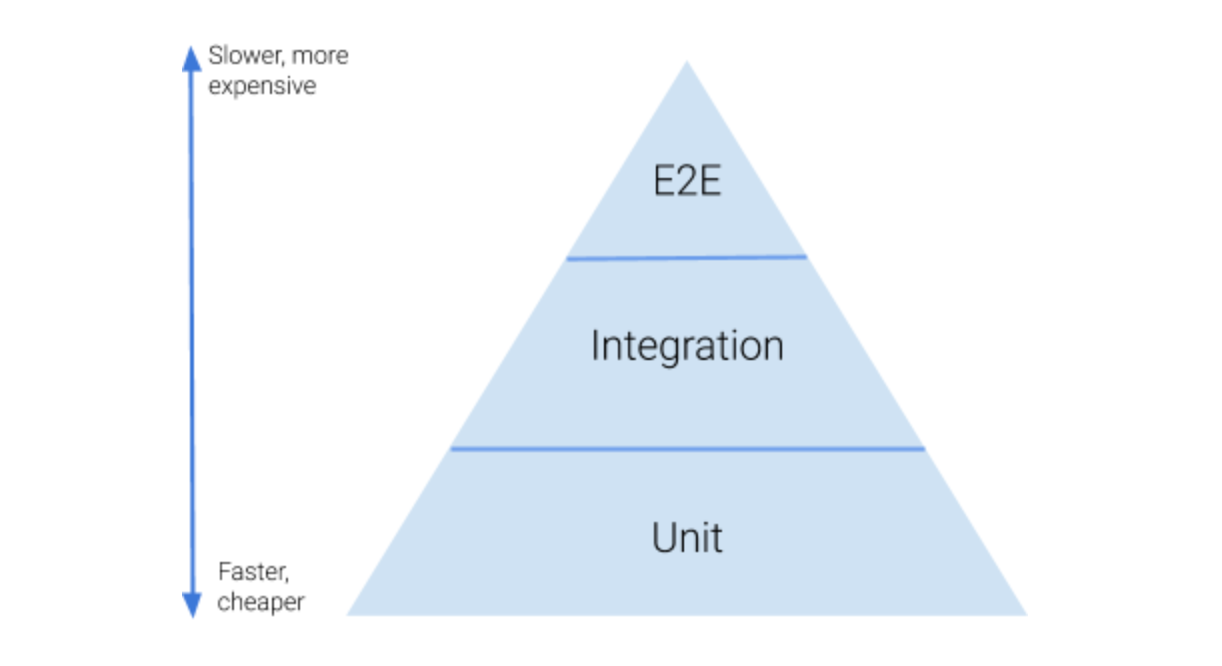
Unit tests
- Test individual functions
- Fast, isolated
- Many tests
Integration tests
- Test component interaction
- Fewer, more complex
Getting Started with pytest
Why pytest?
Advantages
- Simple, Pythonic syntax
- Rich assertion messages
- Powerful fixtures & plugins
- Easy parameterization
vs. unittest
Basic pytest Structure
Live Exercise
Let’s write a test together!
Create
calculator.pywith basic functions:Write
test_calculator.py:Run:
pytest test_calculator.py -v
Writing Effective Tests
Python Classes Refresher
Classes in Python
- Blueprint for creating objects
- Encapsulate data (attributes) and behavior (methods)
- Create with the
classkeyword - Instantiate with
object = ClassName() selfrefers to the instance
The AAA Pattern
Arrange → Act → Assert
The AAA Pattern
Parameterized Tests
Before
def test_email_valid():
    user = User('Test', 'test@example.com')
    assert user.is_valid_email() is True

def test_email_invalid_no_at():
    user = User('Test', 'invalid-email')
    assert user.is_valid_email() is False

def test_email_invalid_no_dot():
    user = User('Test', 'invalid@nodotatall')
assert user.is_valid_email() is FalsePoll Question
What are you most interested in testing?
A. Functions with calculations
B. Data validation logic
C. API interactions
D. Database operations
Test-Driven Development
The TDD Cycle
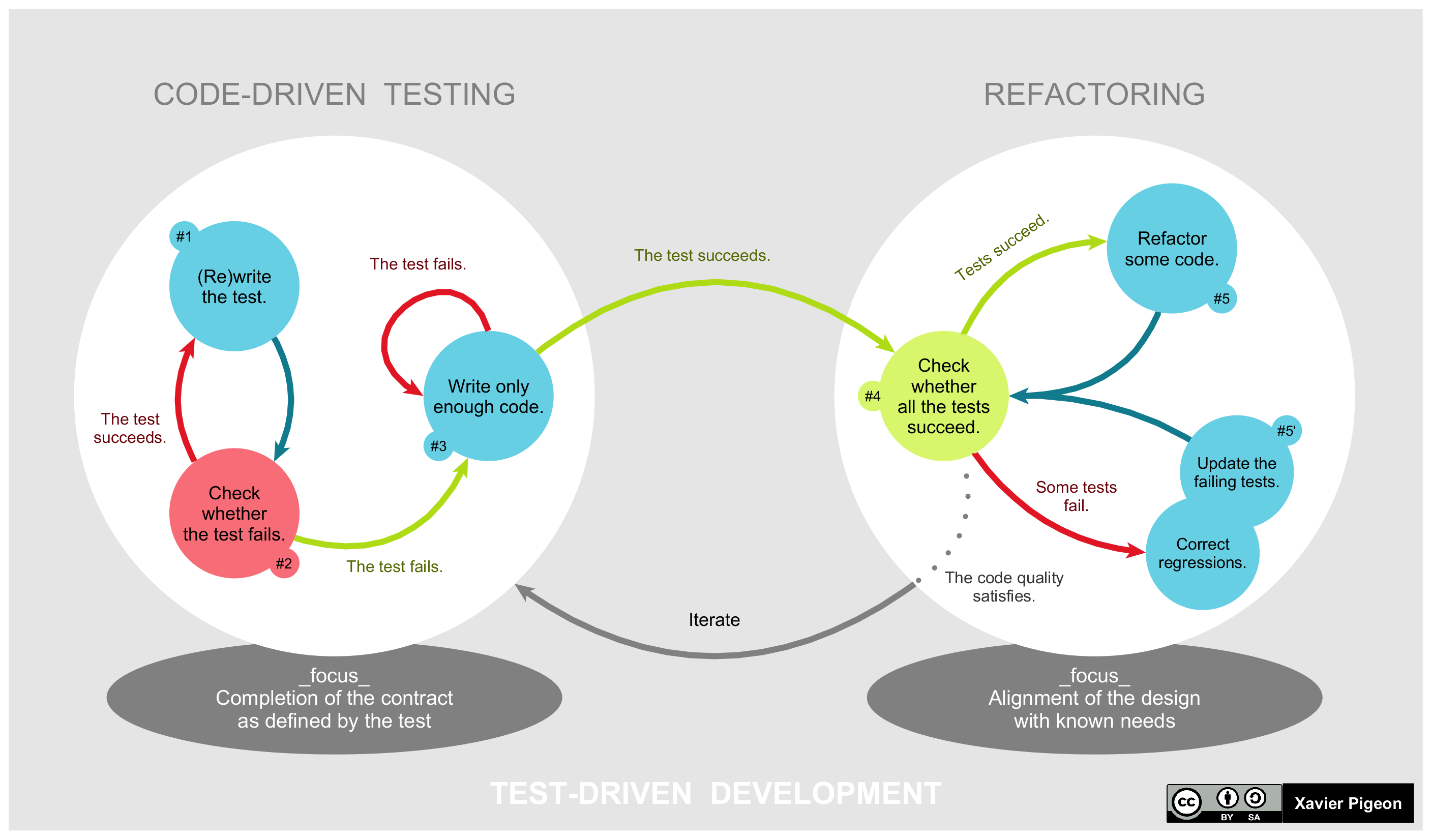
- Red: Write a failing test
- Green: Write minimal code to pass
- Refactor: Improve without breaking tests
TDD Demo: Shopping Cart
Statistics Function Example
TDD Benefits & Challenges
Benefits
- Forces clear requirements
- Prevents over-engineering
- Built-in regression testing
- Improves API design
- Documentation by example
Challenges
- Learning curve
- Requires discipline
- Can slow initial development
- Test maintenance
- “Test-induced design damage”
Tip
Start small and build your testing habit incrementally!
Poll Question
How might TDD change your workflow?
A. Initial slowdown but long-term gain
B. Clarify requirements before coding
C. Improve my code architecture
D. Still not convinced it’s worth it
Wrap-up
Key Takeaways
- Testing is an investment in code quality and maintainability
- pytest makes testing approachable with simple syntax and powerful features
- Start with simple unit tests and build from there
- TDD can guide development and improve your software design
- Practice is essential to get comfortable with testing
Resources
Thank You!
Questions?
Contact: yangyang.li@northwestern.edu
GitHub: @cauliyang
Python Testing Workshop | Yangyang Li | May 2025